베트남 항공업계, 2026년 설 연휴(Tet) 기간 동안 약 300만 명의 여객 수송 전망
베트남 교통부 산하 국영 규제 기관인 베트남 항공청(CAAV)은 다가오는 ‘말띠 해’ 음력 설(뗏, Tet) 연휴 기간 동안 항공 여행 수요가 두 자릿수 성장률을 기록할 것으로 전망했습니다.
According to CAAV Director General Uong Viet Dung, the peak period is expected to last from February 12 to 21, 2026. During this period, the overall market is expected to see passenger numbers reach approximately 2.85 million, an 11.4% year-on-year increase. International travel is expected to drive this growth, with 1.6 million passengers expected, up 14.3% year-on-year, driven by a global tourism recovery and expansion of regional airline networks. Meanwhile, the domestic sector is expected to handle 1.25 million passengers, up 10.7%, with traffic primarily driven by family reunions and vacationers traveling from North-South trunk routes and major economic hubs to regional areas.

In terms of airport throughput, CAAV estimates that Vietnamese airports will handle a total of 4.1 million passengers during the peak Lunar New Year holiday period, a 13% increase compared to the 2025 holiday season. The country's two major gateway airports will continue to handle the majority of this volume. Tan Son Nhat International Airport in Ho Chi Minh City is expected to handle 1.48 million passengers (a 7.3% increase), while Noi Bai International Airport in Hanoi is expected to handle approximately 1.08 million passengers, a 21% year-on-year surge.
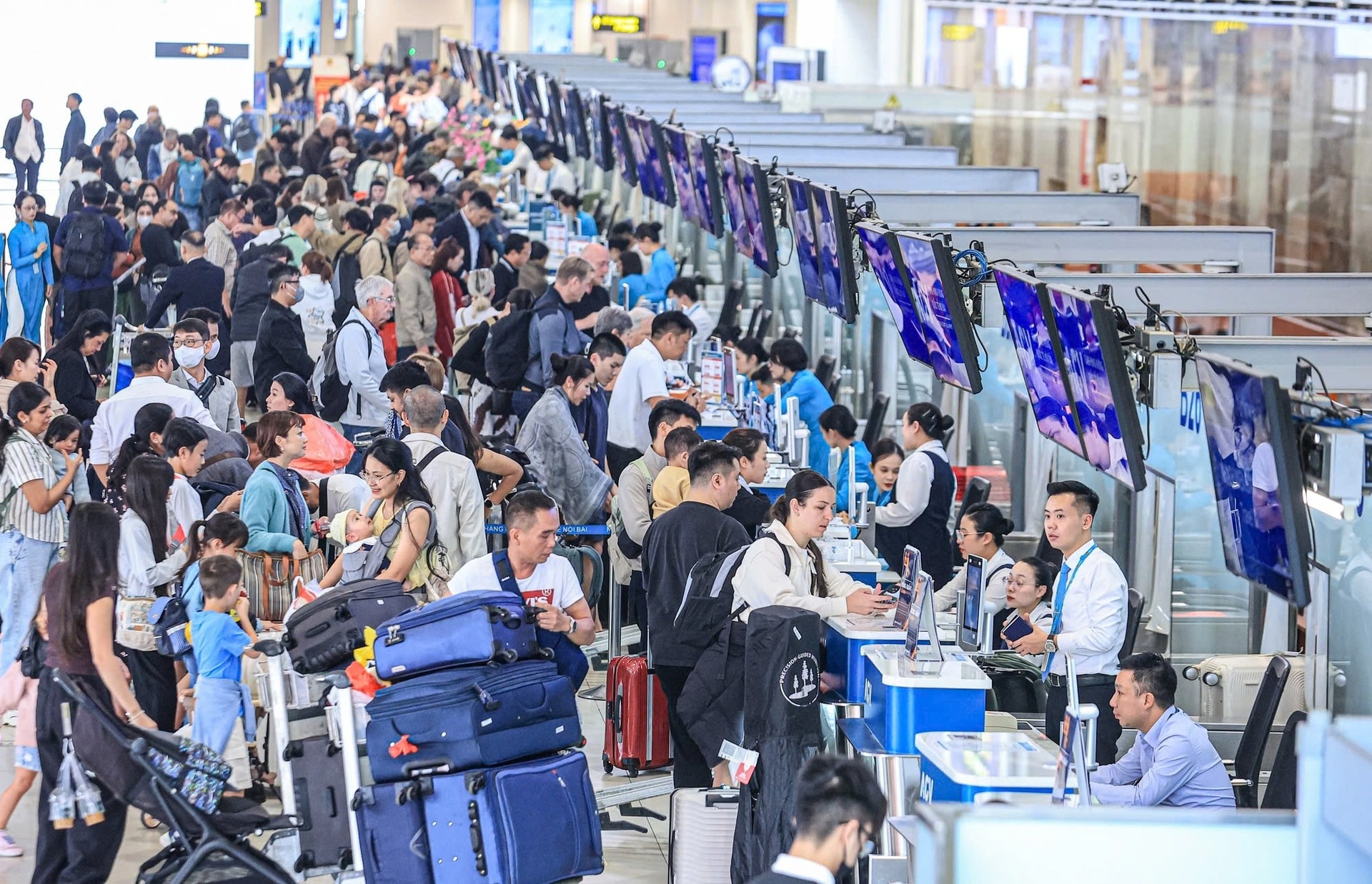
To meet this high demand, CAAV is working closely with domestic airlines to adjust flight schedules and increase seat availability on high-demand routes. Key measures include expanding night operations at several regional airports to alleviate daytime congestion and pressure on peak-hour slots. Airlines are also proactively adding flights and opening new routes to accommodate holiday travel patterns.
Regulators have emphasized that maintaining safe, smooth, and efficient aviation operations during the Lunar New Year holiday and the subsequent Spring Festival season is their primary goal. Close collaboration between airlines, airport authorities, and air traffic control is essential to minimize congestion, delays, and cancellations. Industry experts suggest that balancing infrastructure capacity and operational resources will be a crucial factor in ensuring the sustainable growth of the Vietnamese aviation market during the peak travel season.